Breathable, sympathetic finishes for old walls.
Traditional lime rendering restores the ability of old walls to breathe, releasing moisture rather than trapping it behind modern cement.
Lime Renders, done properly.
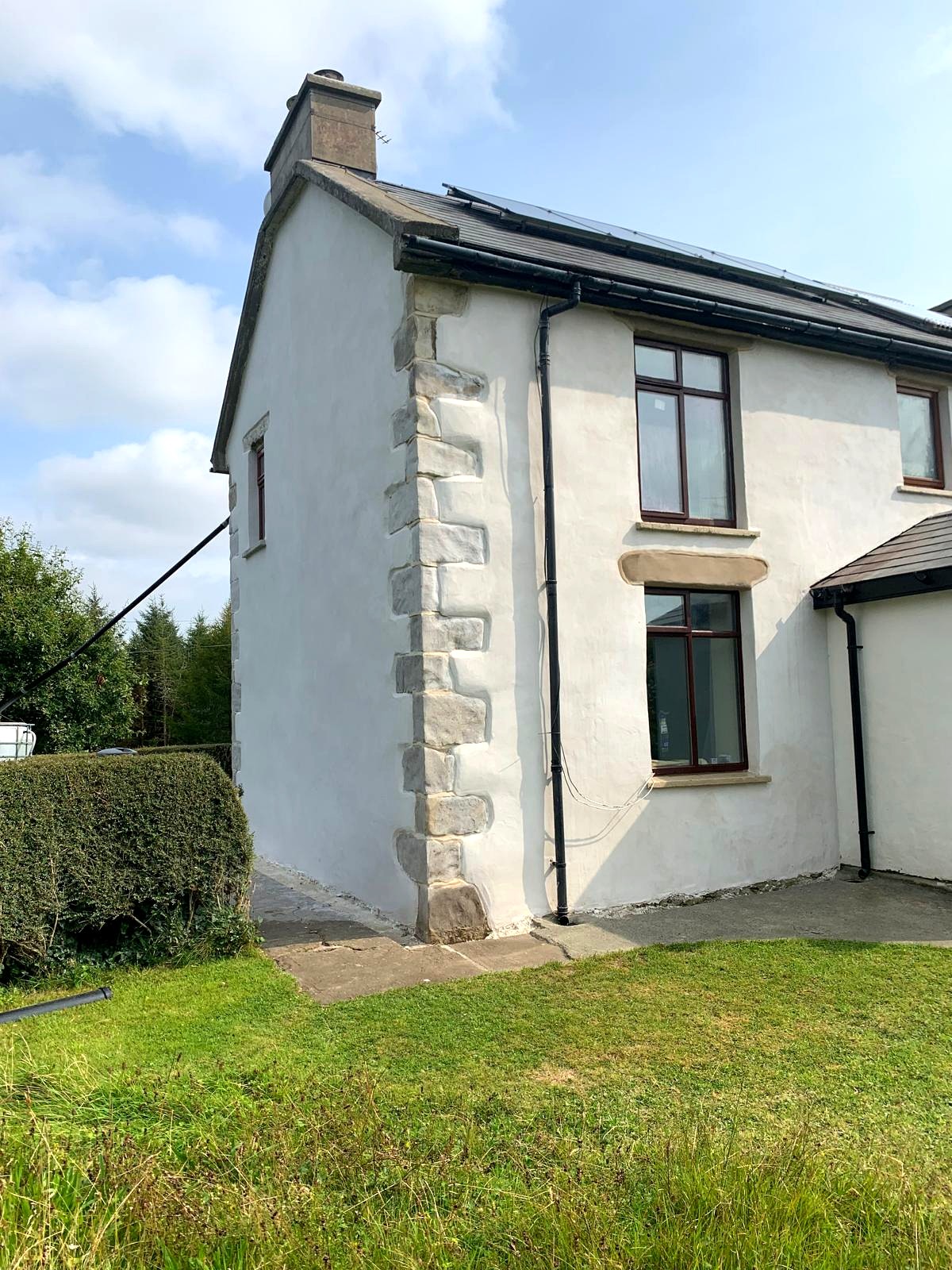
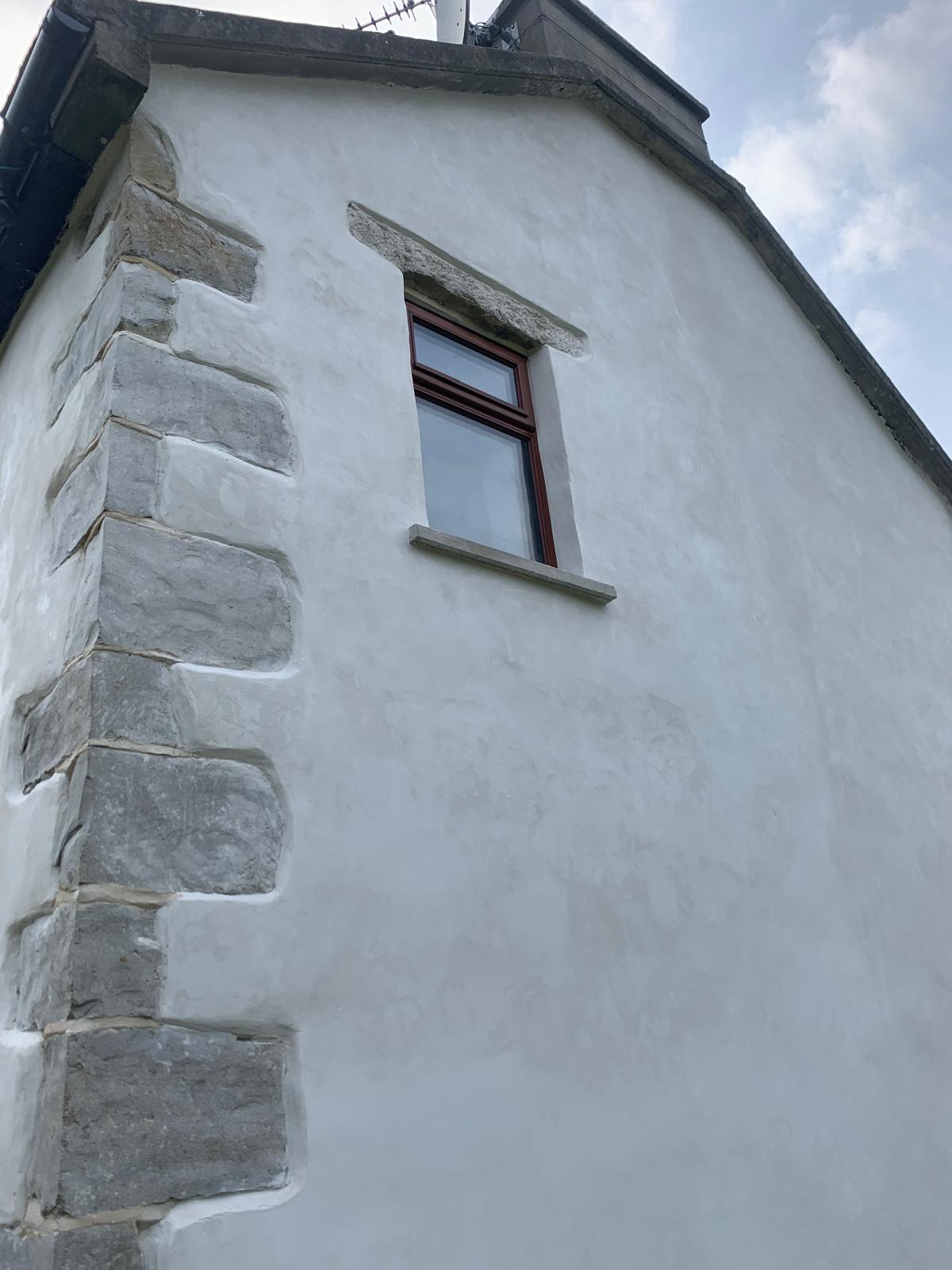
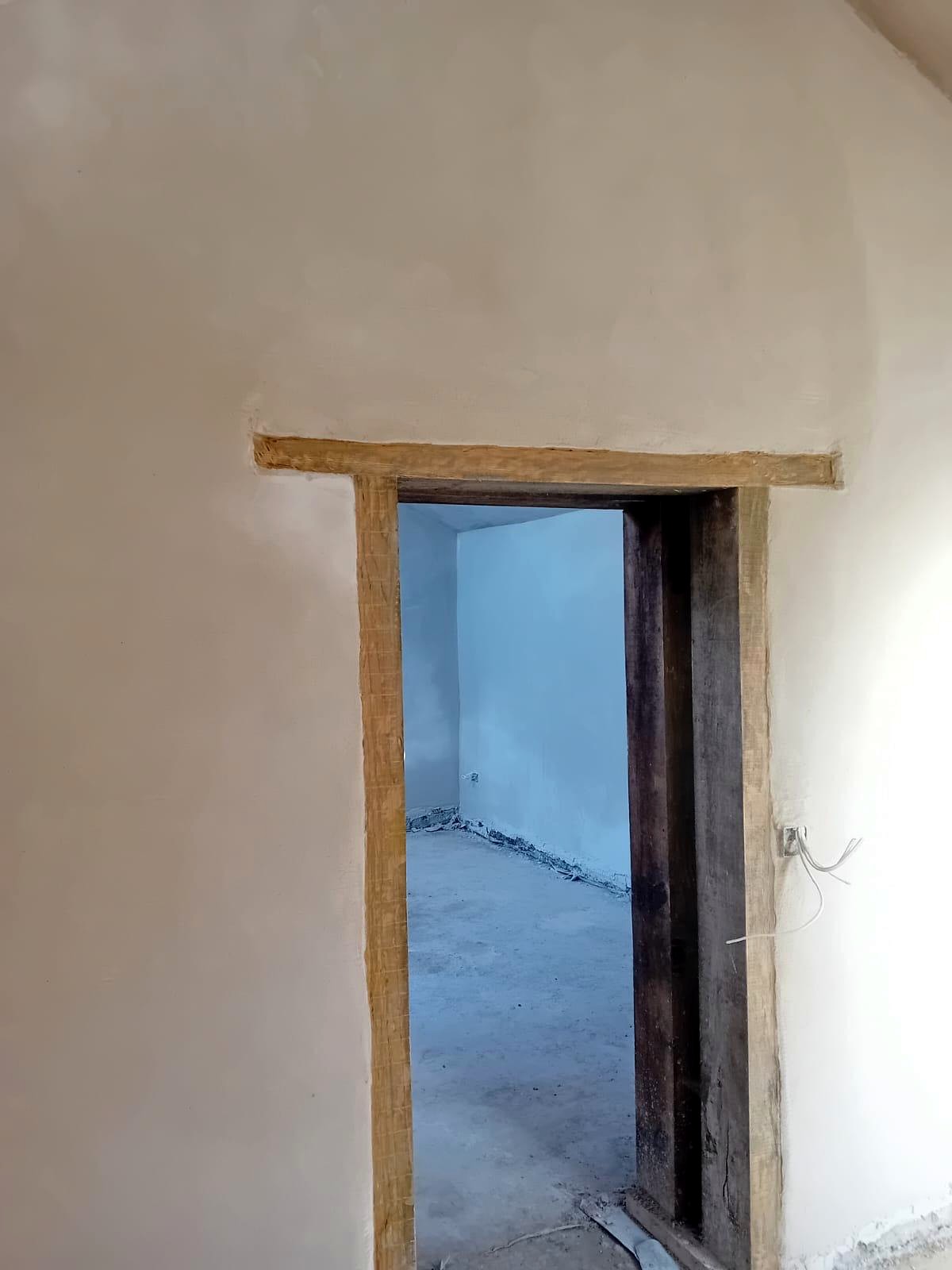
Lime render is not a decorative coating — it is part of the wall's moisture system. On rubble stone and solid masonry, breathable lime allows moisture to pass out through the render rather than migrate inwards.
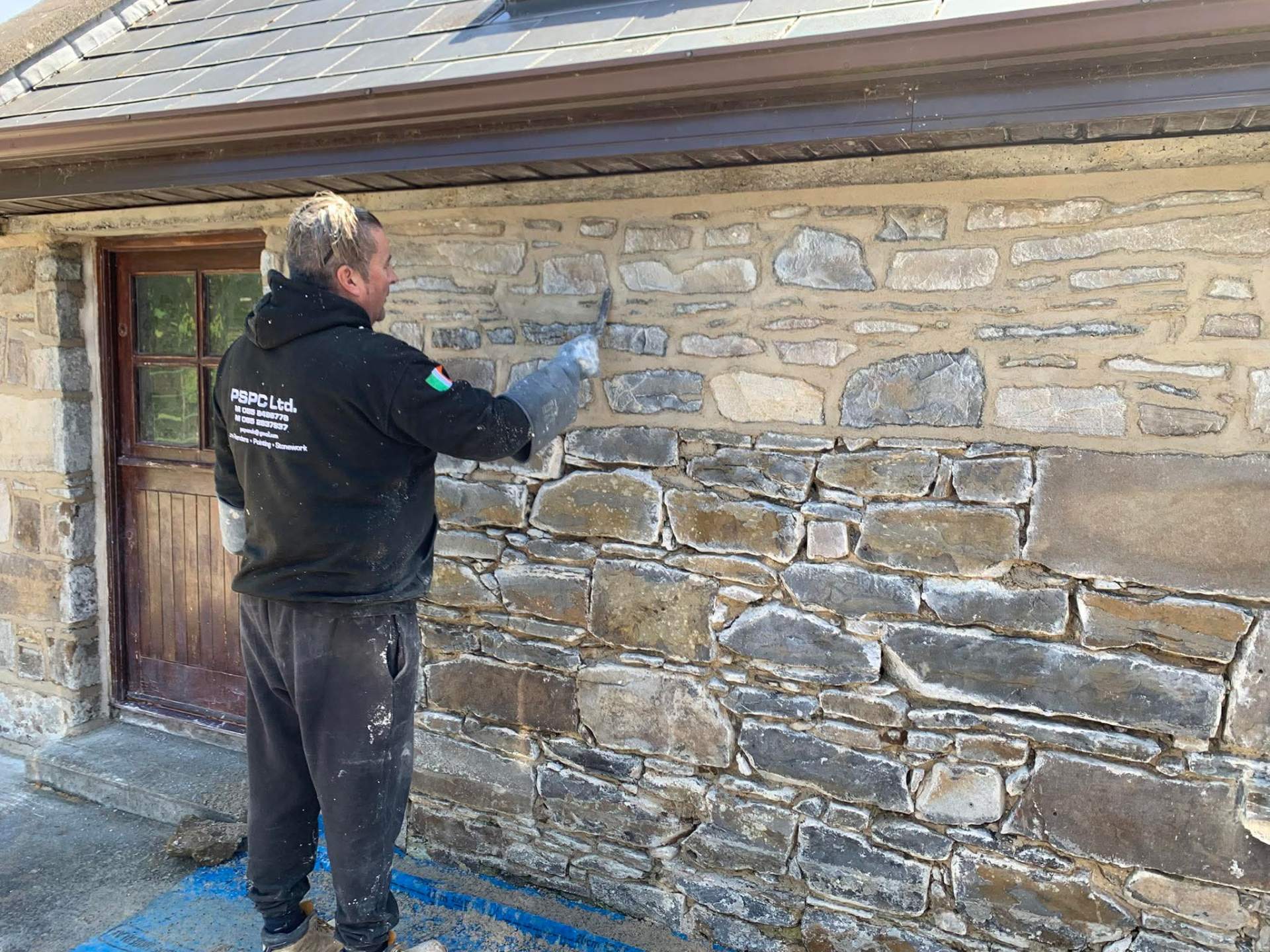
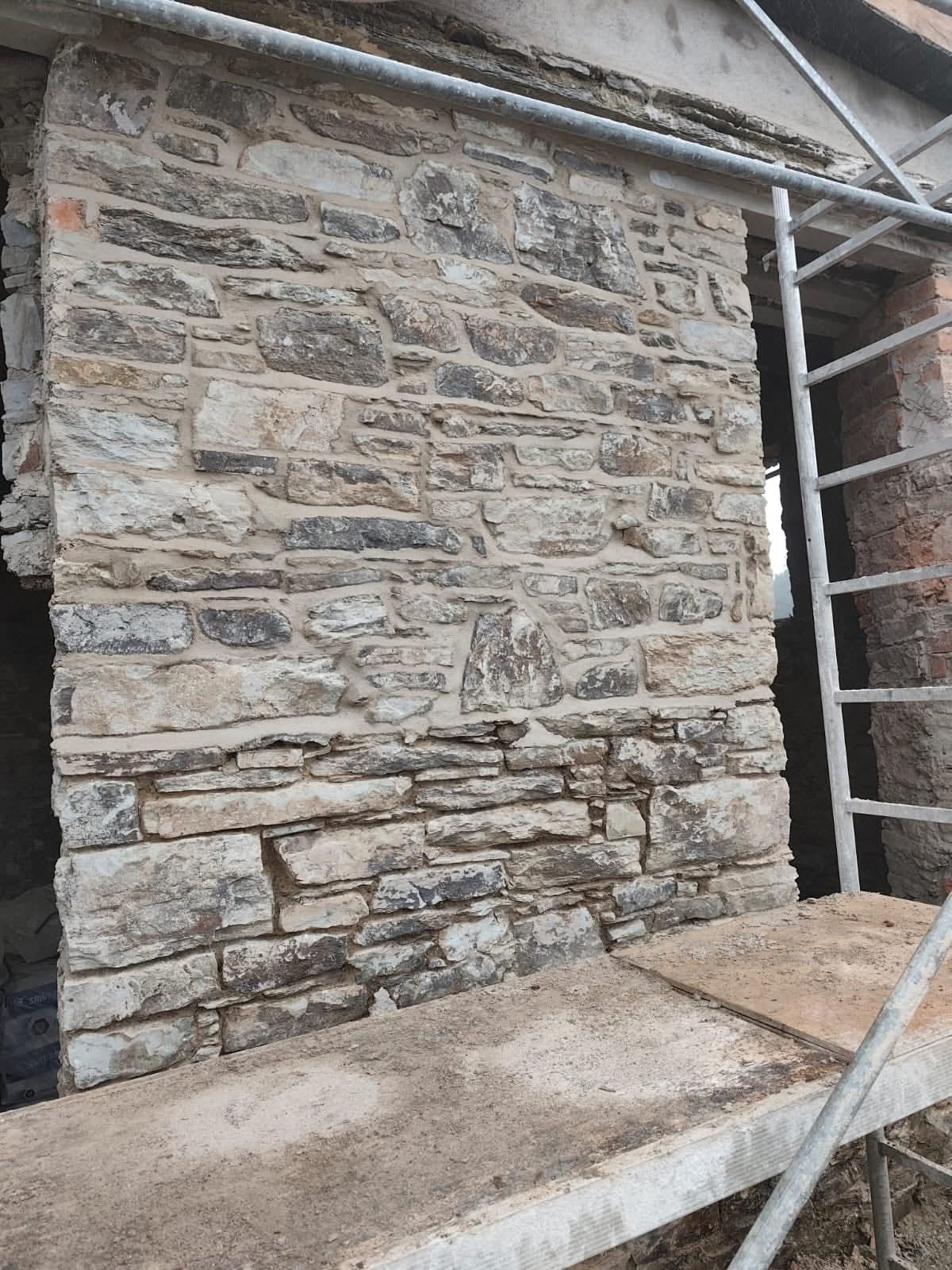
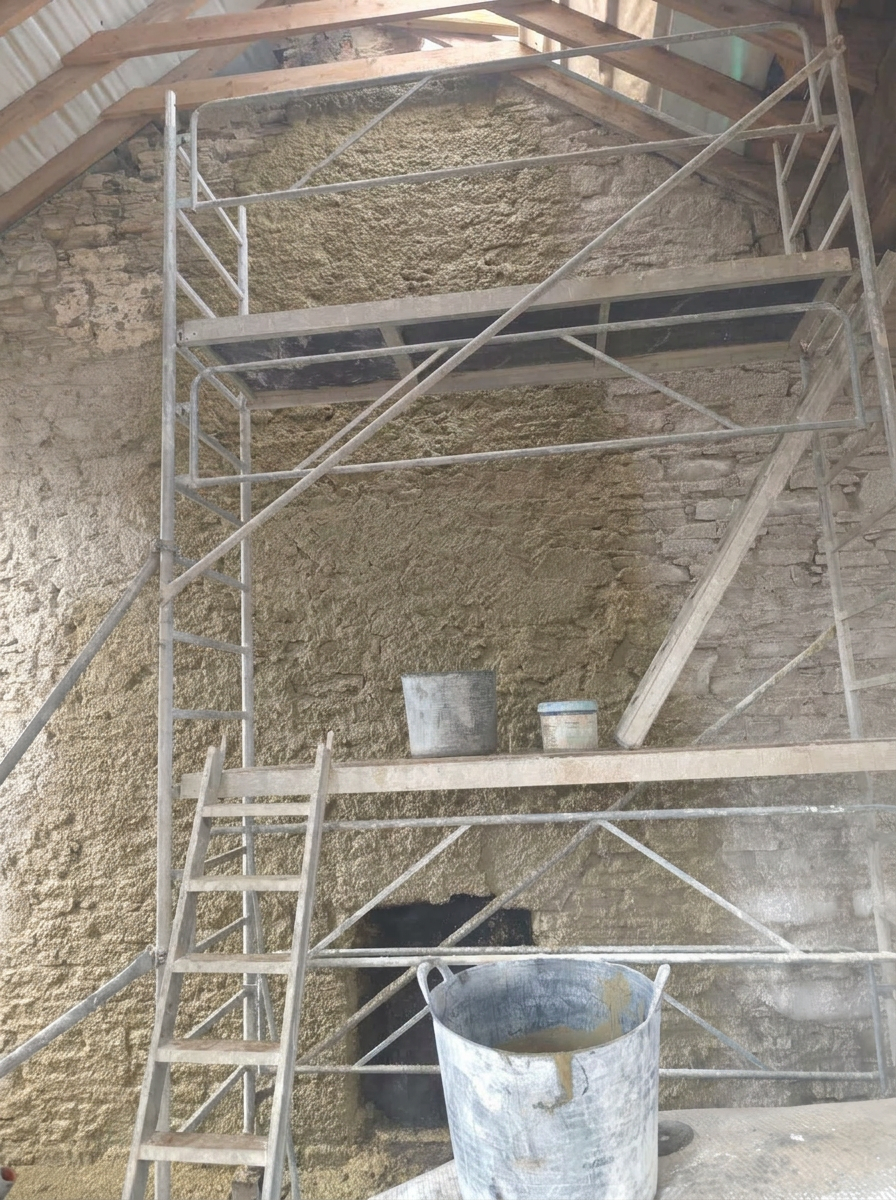
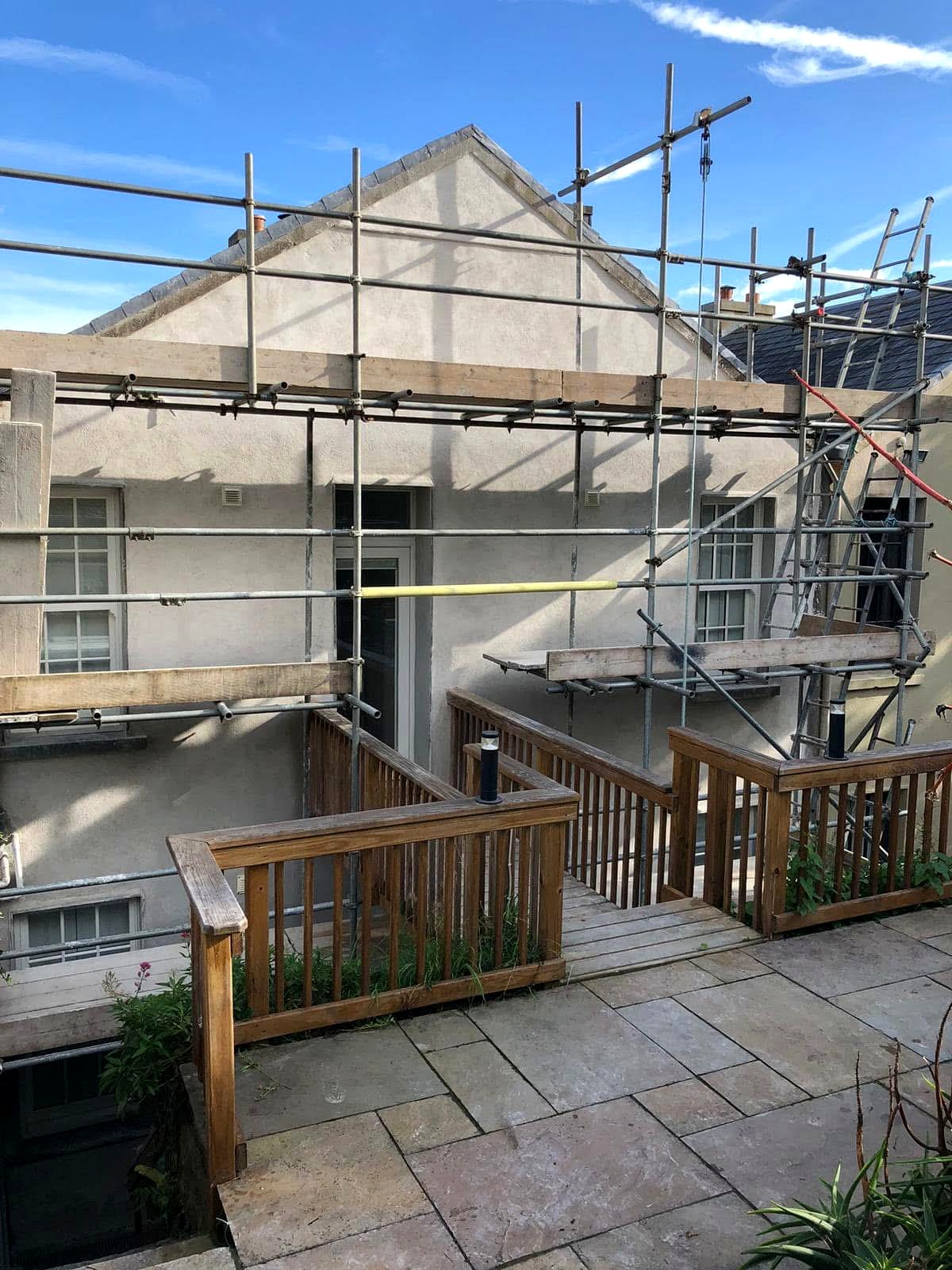
Each project begins with the substrate. We assess suction, key, previous repairs and exposure before selecting the appropriate lime — natural hydraulic or lime putty — and building up coats to a considered thickness and finish.
Signs you may need this
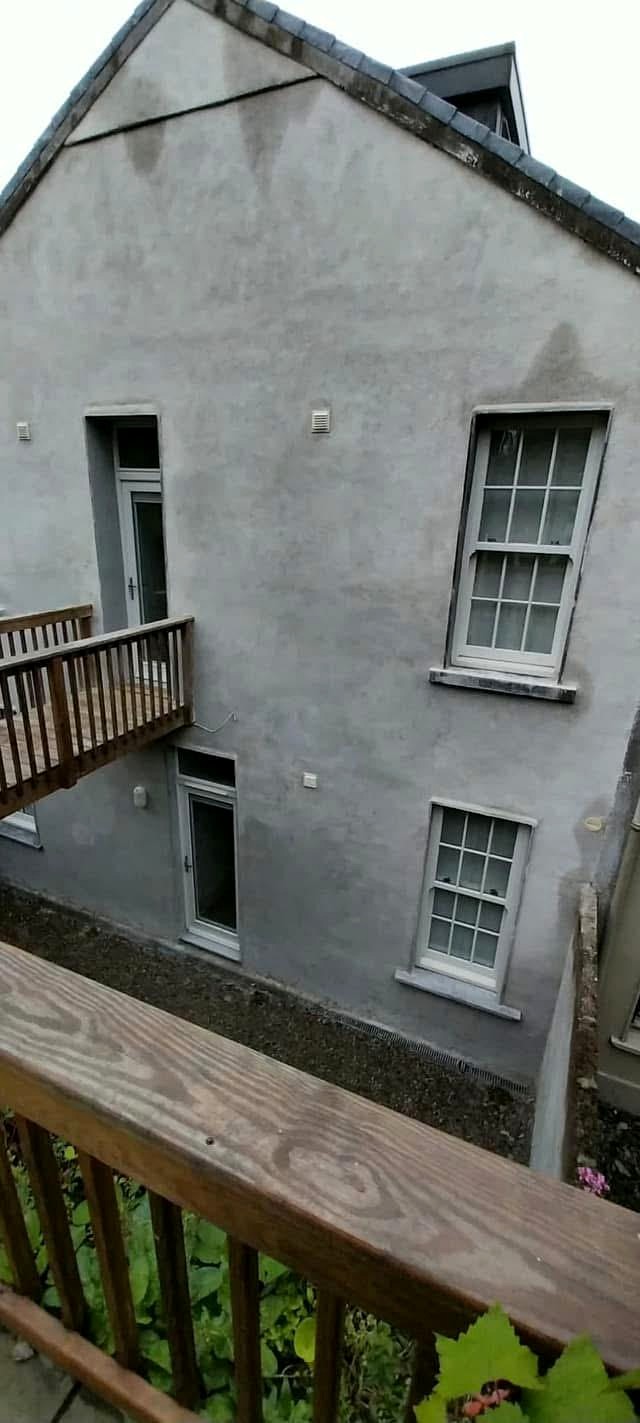
- Cement render blistering, cracking or debonding from old stone.
- Damp patches inside walls that recently had external render applied.
- Loss of the original limewash or lime skim to a heritage elevation.
- A soft, powdering finish that no longer sheds water.
What Phoenix Stone does differently
- Correct binder choice for the substrate and exposure.
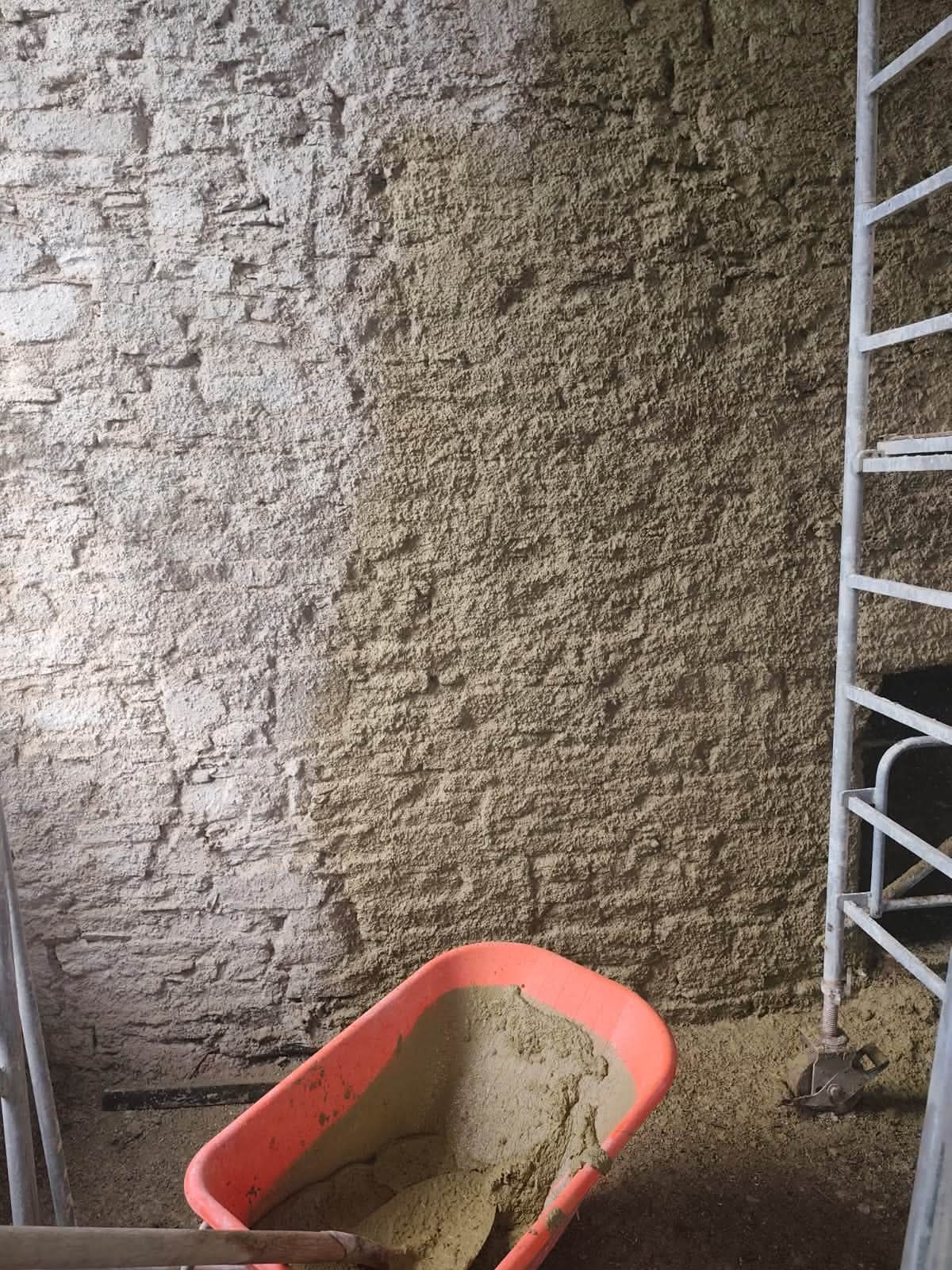
- Rigorous preparation — cutting out, dubbing, dampening and keying.
- Coats built up over time, protected with hessian and controlled curing.
- Traditional textured or floated finishes matched to the character of the building.

Frequently asked.
Can I use lime render over old cement?+
In most cases the cement should come off first. Cement traps moisture behind it and prevents the lime bonding to a breathable substrate. We assess each wall on its own terms.
How long does lime take to cure?+
Lime cures slowly — weeks, not days. It is protected with hessian, kept damp and worked in coats. This is a strength, not a weakness: it produces a wall fabric that lasts generations.
Will lime render match my existing wall?+
Finishes are chosen to sit sympathetically with the original character — floated, wood-floated, roughcast or dashed as appropriate to the building and region.