Care the fabric. Don't cover the problem.
Preservation is a mindset before it is a method: understand what the building is doing, why it is doing it, and intervene as little and as well as possible.
Preservation, done properly.
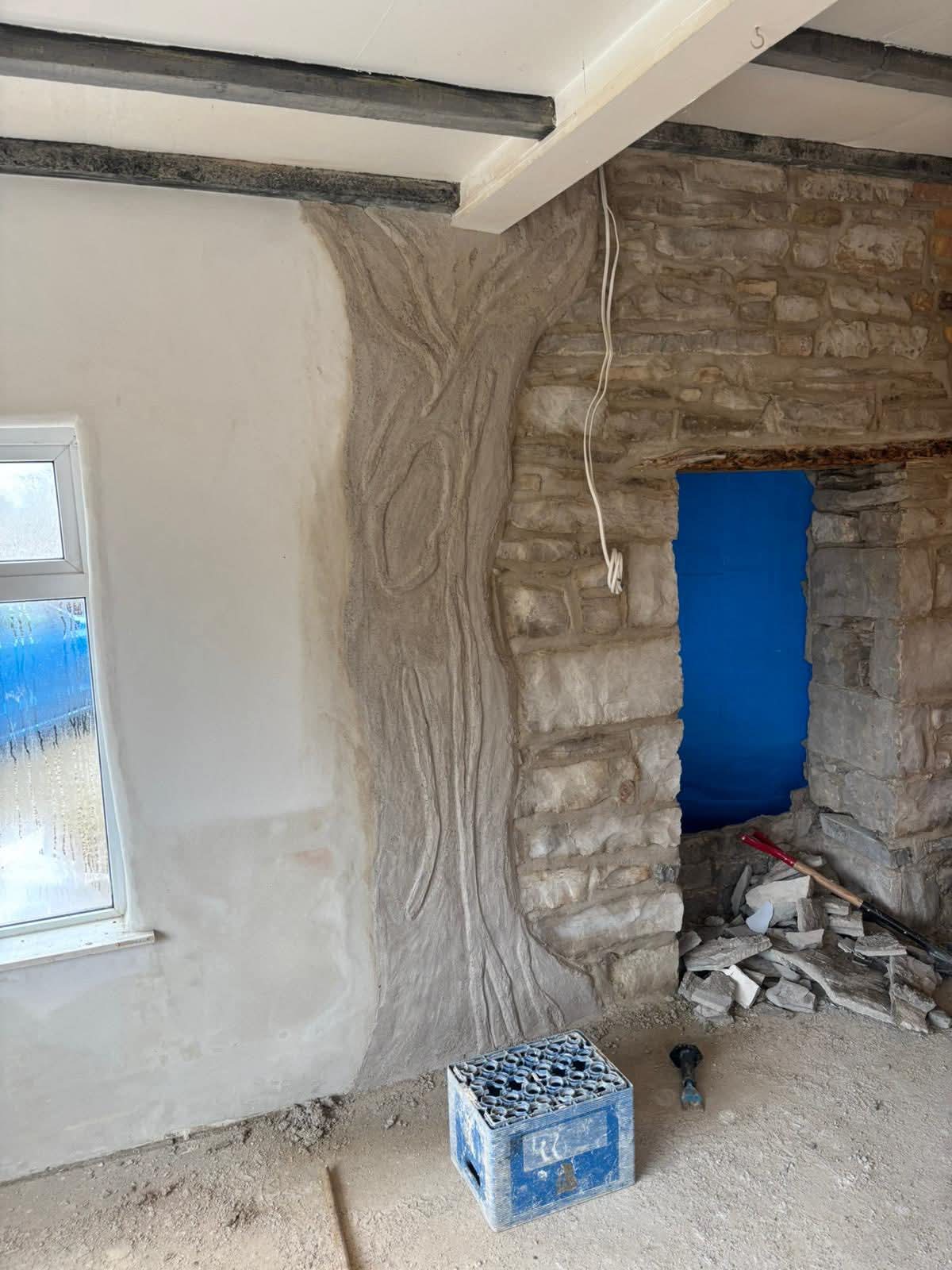
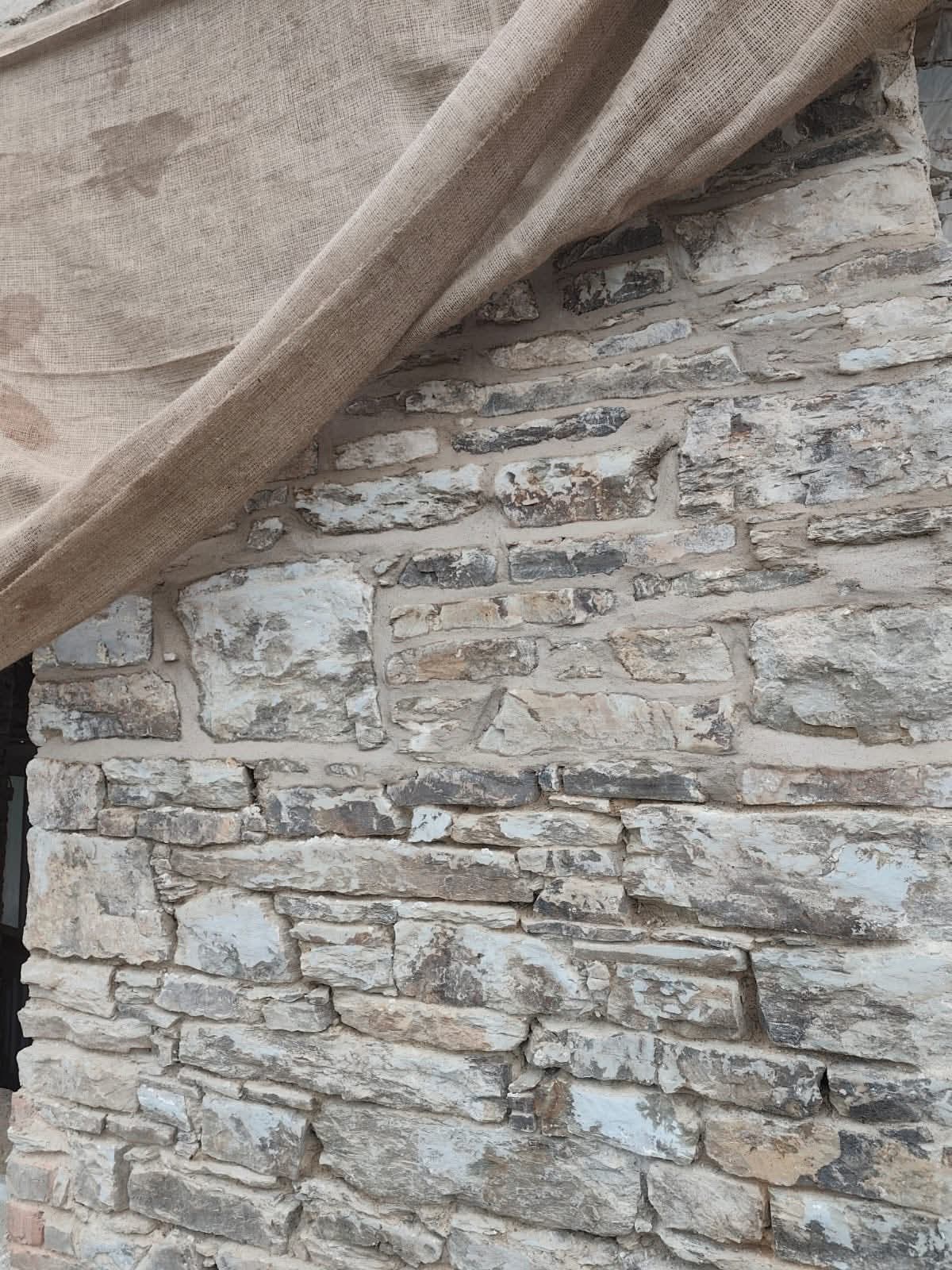
Most damage to old buildings comes from good intentions applied with the wrong material. Cement over lime, plastic paint over limewash, sealed floors under solid walls — each traps moisture in fabric that was designed to release it.
We approach preservation slowly. We look at what has failed, what is causing it, and whether the appropriate response is repair, replacement, or simply leaving well alone.
Signs you may need this
- Rising damp appearing after a modern intervention.
- Timbers rotting where solid walls meet solid floors.
- Peeling modern paint over historic limewash.
- Recurring damp problems in an otherwise sound building.
What Phoenix Stone does differently
- Diagnosis before intervention.
- Breathable, reversible, compatible materials.
- Sympathy for the character and history of the building.
- Honest advice — including when not to do something.
Frequently asked.
Is preservation more expensive than modern building?+
Not over the life of the building. Cheap modern interventions on old fabric often need to be removed and redone within a decade.
Can old buildings ever be truly dry?+
Old buildings are managed, not sealed. Kept breathable and maintained, they perform quietly and last centuries.
Do you work on interior fabric too?+
Yes — internal lime plaster, breathable finishes, and appropriate insulation approaches are part of the same conversation.